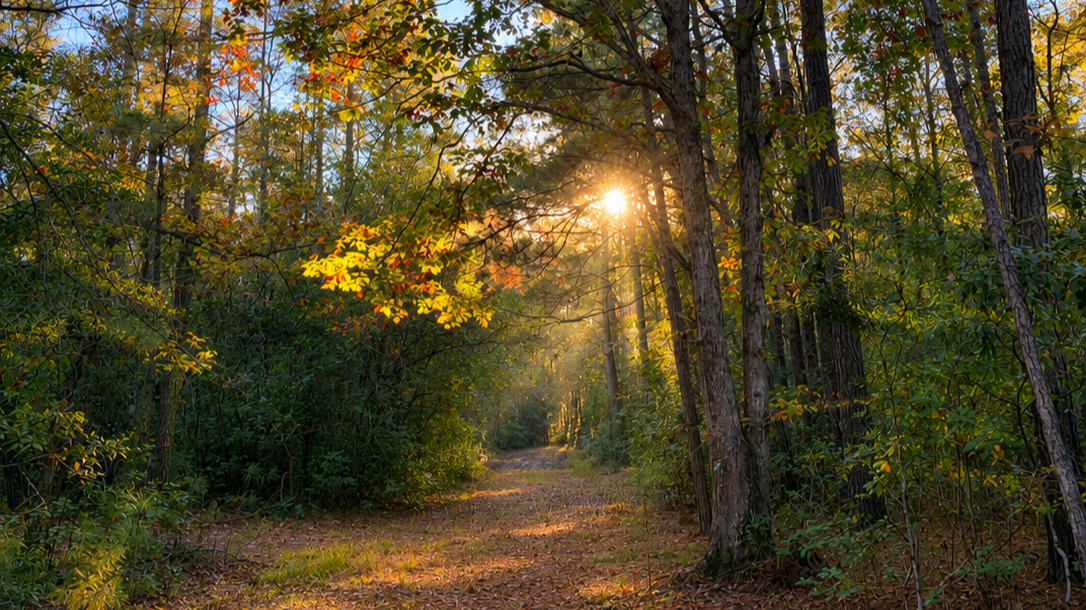
The Average North Carolina Forest Landowner Is 66. What's the Plan for the Next Generation?
Forestry teaches us to think in decades.
A pine plantation established today may not be harvested for 30 to 40 years. A hardwood stand may take even longer to reach its full potential. The decisions we make as landowners often benefit the next generation more than ourselves.
That is why one statistic from NC State Extension stands out to me: the average North Carolina non-industrial private forest landowner is 66 years old.
As a consulting forester, I spend a lot of time walking properties with landowners who have invested years, or even generations, into caring for their woods. They know every road, creek crossing, property line, and corner monument. They have clear goals for wildlife, recreation, timber production, hunting, conservation, or simply preserving a piece of family history.
Yet one of the most important questions often goes unanswered:
What happens to the land when you're no longer the one making decisions?
A Forest Management Plan Isn't a Succession Plan
Many landowners have invested in managing their property. They may have completed a timber harvest, planted seedlings, improved wildlife habitat, established firebreaks, or enrolled in conservation programs.
Those are all important steps.
But managing a forest and planning for its future ownership are two different things.
Without a succession plan, even well-managed properties can face uncertainty. Family members may have different goals. Property boundaries and management objectives may be unclear. In some cases, heirs inherit land they know very little about and are forced to make difficult decisions quickly.
The result can be family conflict, parcelization, or the loss of opportunities that previous generations worked hard to create.
More Than Just a Will
When people hear "estate planning," they often think about writing a will.
A will is important, but succession planning usually involves much more than that. It may include discussions with attorneys, accountants, financial advisors, and natural resource professionals about ownership structures, management goals, tax considerations, and long-term family objectives.
Every family's situation is different. There is no one size fits all solution.
What matters most is starting the conversation before decisions become urgent.
Why Timberland Is Different
Timberland presents unique challenges because forests are long-term investments.
A landowner may spend decades improving a property before realizing the financial benefits of those efforts. Timber harvest schedules, wildlife habitat improvements, prescribed fire programs, road systems, and reforestation plans often extend well beyond a single generation.
The question isn't simply who will inherit the land.
The question is whether the next generation will understand the value of what they are inheriting.
Understanding Stepped-Up Basis
One area that is frequently overlooked is the tax treatment of inherited property.
In many situations, inherited assets receive what is known as a "stepped-up basis." While every family's tax situation is different and professional tax advice should always be sought, this adjustment in basis can have significant implications for future timber and land transactions.
Unfortunately, many families are unaware of these considerations until after ownership changes occur.
This is another reason why conversations with qualified legal, tax, and forestry professionals are valuable before a transfer takes place.
The Most Important Part: Getting the Next Generation Involved
Legal documents matter.
Tax planning matters.
Ownership structures matter.
But in my experience, none of those things are as important as helping the next generation develop a connection to the land itself.
If your children or grandchildren are going to make good decisions about the property someday, they need to understand why it matters today.
Walk the property with them.
Show them the old boundary markers.
Talk about past timber harvests.
Explain why certain areas were planted, thinned, burned, or protected.
Share the history of the land and the goals you have for its future.
Many families assume younger generations are not interested in land ownership. Sometimes that's true. More often, however, they simply have not been invited into the conversation.
People tend to care about what they understand.
Start the Conversation Today
The best succession plans are not created during a crisis.
They are built gradually through conversations, education, and planning over time.
If you own forestland, consider asking yourself a few simple questions:
Who will own this property in 20 years?
Do they understand my goals for the land?
Have I communicated those goals clearly?
Have I spoken with qualified legal and tax professionals about my options?
Does the next generation have a meaningful connection to the property?
Forestry is ultimately about stewardship. We manage forests today with the understanding that someone else will benefit from many of the decisions we make.
The same principle applies to succession planning.
The future of your forest depends not only on the trees you grow, but also on the people who will someday care for them.
Source: NC State Extension, Educational Needs Assessment of North Carolina Non-Industrial Private Forest Landowners, which reported an average respondent age of 66 years among surveyed landowners.
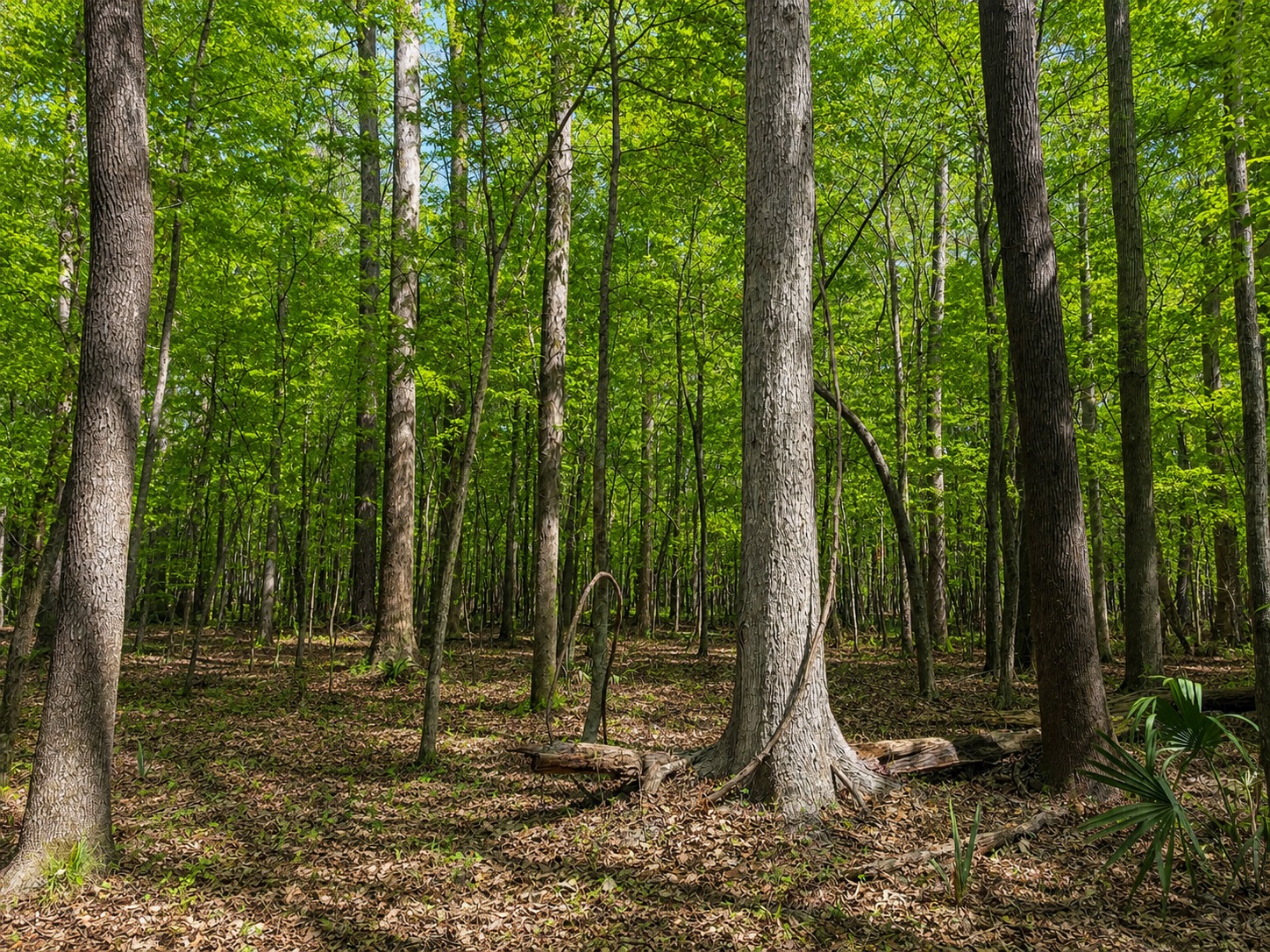
How North Carolina Forestland Owners May Reduce Property Taxes with PUV
For many North Carolina landowners, rising property values can mean one thing: higher property taxes.
What many people don’t realize is that qualifying forestland may be eligible for significant tax relief through North Carolina’s Present-Use Value (PUV) program.
If you own timberland or rural acreage, this program may allow your property to be taxed based on its current forestry or agricultural use instead of its full market value.
That can make a major difference.
What Is the NC-PUV Program?
North Carolina’s PUV program is designed to help landowners keep working lands in production by reducing the tax burden associated with increasing land values.
Instead of taxing qualifying forestland at market rates driven by development pressure or real estate demand, the county assesses the property based on its productive forestry value.
For many landowners, this can result in substantial annual tax savings.
Who May Qualify?
Forestry land may qualify for PUV if it meets several requirements, including:
Minimum acreage requirements
Active forestry management
A written forest management plan
Ownership qualifications established by the state
Every property is different, and eligibility depends on several factors.
Many landowners are surprised to learn their property may already meet most of the requirements.
Why More Landowners Are Looking Into PUV
Across southeastern North Carolina, property assessments have risen significantly in recent years.
As land values increase, many rural landowners are seeing higher tax bills, even if the land itself hasn’t changed.
The PUV program exists to help prevent forestry and agricultural lands from being taxed like development property.
For families who want to keep their land long-term, it can be an important tool for reducing carrying costs while continuing responsible forest management.
My Role in the Process
As a Registered Forester, I work directly with private landowners to:
Evaluate whether a property may qualify
Prepare required forest management plans
Help navigate enrollment requirements
Provide long-term forestry guidance after enrollment
In addition to PUV assistance, I also help landowners with:
Timber sales
Reforestation planning
Forest management
Cost-share programs
Wildlife and ecosystem services
My goal is to help landowners make informed decisions that benefit both their property and long-term objectives.
Unsure If Your Property Qualifies?
If you own forestland in North Carolina and would like to better understand whether the PUV program may apply to your property, I’m happy to discuss your situation and provide guidance on next steps.
Even if you’re not ready to enroll, understanding your options is worthwhile, especially as property values continue to rise.
Contact Crawford Forest Management to learn more.
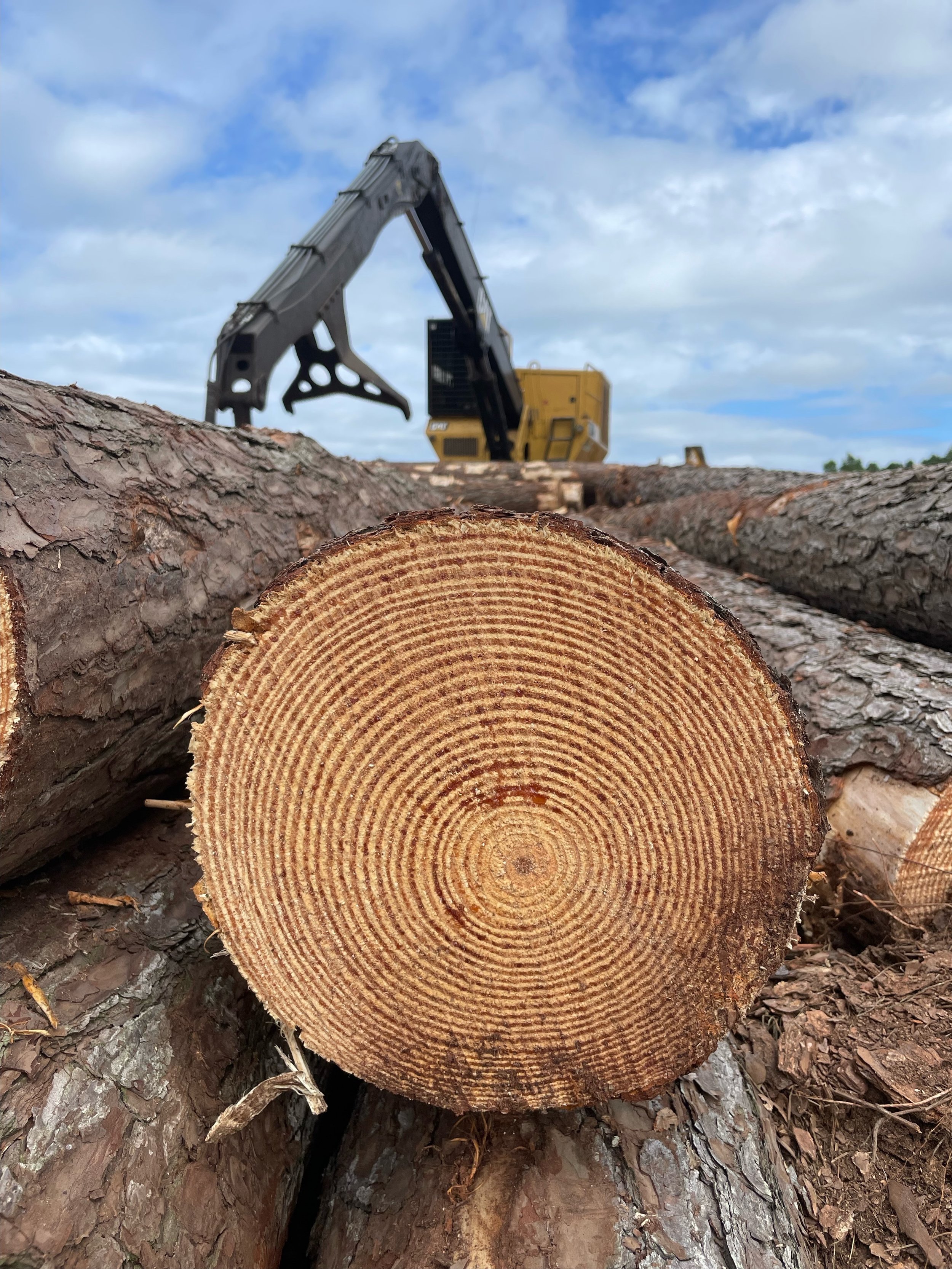
The Importance of Hiring a Consulting Forester to Sell Timber
If you’re thinking about selling timber in North Carolina, one of the first questions you may have is whether you actually need a consulting forester. Many landowners, especially those who have recently inherited property or are selling timber for the first time, consider working directly with a timber buyer.
While that approach may seem simpler, it can have a significant impact on how much money you receive and how your property is treated during the harvest.
The short answer:
In most cases, hiring a consulting forester helps landowners get higher returns, better manage their timber, and avoid costly mistakes during the sale process.
What Does a Consulting Forester Do?
A consulting forester works on behalf of the landowner, not the timber buyer. Their role is to represent your interests throughout the entire timber sale process.
This typically includes:
Evaluating your timber to determine value
Marketing the timber to multiple buyers
Managing the bidding process
Overseeing the harvest to ensure it is done properly
The Risk of Selling Timber Without a Forester
In southeastern North Carolina, it’s common for landowners to receive unsolicited offers to buy their timber. While some of these offers may seem reasonable, accepting a single offer without understanding your timber’s true value can lead to leaving money on the table.
Some of the most common issues include:
No competitive bidding: Without multiple buyers, you don’t know if you’re getting a fair price
Undervalued timber: Timber value varies widely based on age, species, and market conditions
Poor harvest practices: Without oversight, logging can damage residual trees, soil, and access roads
For many landowners, timber is one of the most valuable assets on their property. Treating it like a one-time transaction instead of a managed sale can be costly.'
Another important factor to consider is who you’re selling to. Not all timber buyers operate the same way, and working with reputable, experienced buyers can make a big difference in how the job is handled.
How a Consulting Forester Can Increase Timber Value
One of the biggest advantages of hiring a consulting forester is the ability to market your timber to multiple buyers.
Instead of accepting the first offer, a forester can:
Prepare a timber sale bid invitation
Invite qualified buyers to bid on your timber
Compare offers to ensure competitive pricing
In many cases, this competitive process results in significantly higher returns than a direct sale.
A consulting forester can also advise on timing. Timber markets fluctuate, and selling at the right time can make a noticeable difference in value.
When It Makes the Most Sense to Hire a Forester
While not every situation is the same, hiring a consulting forester is especially beneficial if:
You own a moderate to large tract of timberland
You are selling timber for the first time
You inherited land and are unsure of its value
You want to protect the long-term health of your forest
Even for smaller tracts, having professional guidance can help ensure the process is handled correctly.
Timber Sales in Southeastern North Carolina
Timber markets in North Carolina can vary depending on several factors, including mill demand, tract accessibility, and timber type.
Because of these variables, two tracts of timber that look similar on the surface can have very different values.
Working with someone familiar with the local market can help you better understand what your timber is worth and how to approach a sale.
Final Thoughts
Selling timber is not something most landowners do often, and the decisions made during the process can have long-term financial and environmental impacts.
Hiring a consulting forester provides guidance, structure, and oversight, helping ensure that your timber is marketed properly and your property is treated with care.
If you’re considering selling timber or simply want to understand what your timber may be worth, it’s worth taking the time to get a professional evaluation before making any decisions.
Work With a Local Consulting Forester
At Crawford Forest Management, I work directly with landowners across southeastern North Carolina to evaluate timber, manage sales, and help ensure the process is handled professionally from start to finish.
If you have questions about your timber or are considering a sale, feel free to reach out for a consultation.